Blog>Seller Tips>A Comprehensive Guide: What are the differences between SPU, SKC, and SKU in e-commerce?
A Comprehensive Guide: What are the differences between SPU, SKC, and SKU in e-commerce?
Jayson12 Feb 2026 12:22ENCopy link & title
In e-commerce operations, SPU, SKC, and SKU are three of the most fundamental yet easily confused concepts for sellers. Whether you're selling on Shopee, TikTok Shop, or Lazada, understanding the differences and relationships between these three will help you better plan your product structure, manage inventory, and optimize shipping efficiency.
If you're still struggling to distinguish between SPU, SKC, and SKU, this article will use the simplest language and practical examples to thoroughly clarify their differences and teach you how to automate SKU management using BigSeller ERP.

An SPU (Standard Product Unit) is a standardized identifier for a product series or model, used to categorize goods with the same core attributes.
An SPU does not differentiate by color, size, or version; it represents the "general standard form" of a product.
For example: You are selling "iPhone 17". Whether it's pink, silver, or a limited-edition purple, they all belong to the same SPU because they are essentially the same product: "iPhone 17".
The main functions of an SPU are:
In short, an SPU is a standard unit that helps you group "similar products" together.

SKC (Stock Keeping Color) is a management unit that further subdivides from SPU (Stock Keeping Product) by color or appearance.
It's very common in apparel, home appliances, and beauty categories, serving as an intermediate layer between SPU and SKU.
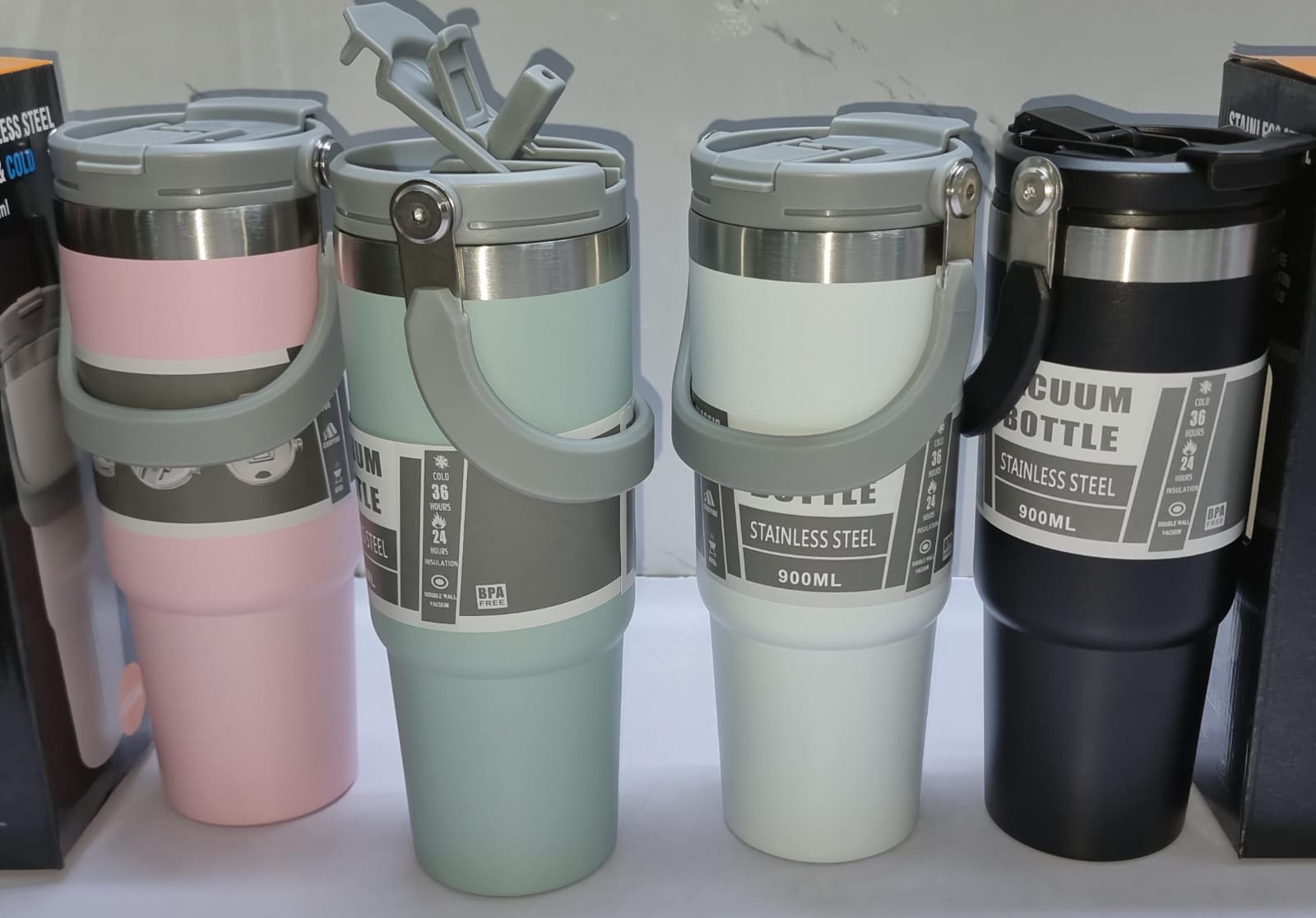
For example: You sell a "thermos cup" (SPU: ThermoCup500), it comes in three colors: black, pink, and blue.
Then:
The benefits of SKC:
For sellers of multi-variety products, mastering SKC makes inventory and visual presentation more organized.
An SKU (Stock Keeping Unit) is the smallest salable and traceable unit of a product.
It precisely distinguishes all variations and combinations of a product, such as color, size, capacity, and packaging.
Each SKU represents an independent inventory unit.
For example: If you sell insulated cups in three colors (black, pink, and blue) and two capacities (500ml and 800ml), you would have 3 × 2 = 6 SKUs:
The purpose of SKUs:

The logical relationship between the three is hierarchical:
In warehousing and sales systems, this structure allows for unified management logic from the brand owner to the warehouse, from the platform to the ERP system.
Simply put: SPU is a "product family", SKC is a "color branch", and SKU is a "specific member".
For sellers operating across multiple platforms and stores, the number of SKUs to manage can reach hundreds or even thousands, making maintenance extremely time-consuming, tedious, and prone to confusion.
BigSeller ERP is a omnichannel management tool specifically designed for Southeast Asian ecommerce sellers, boasting powerful SKU management capabilities:
✅ Supports automatic generation of merchant SKUs; the system quickly detects and creates SKUs in a unified format for refined management.
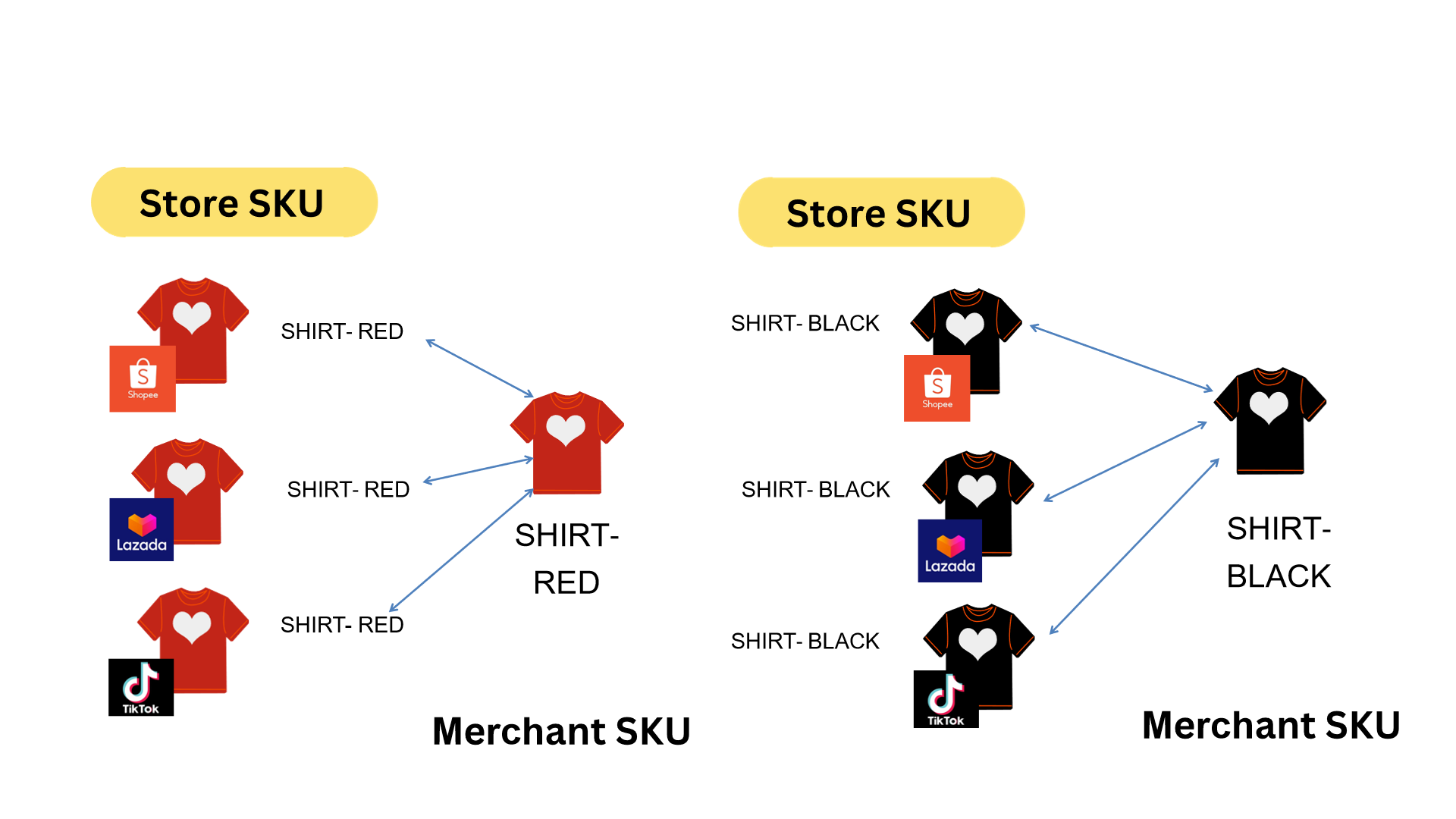
✅ By creating merchant SKUs in BigSeller, store SKUs across all platforms and stores are uniformly mapped, enabling real-time inventory synchronization and preventing overselling or SKU conflicts.
✅ Detailed profit figures for each SKU can be viewed in sales reports, with automatic integration of data from all platforms and stores.
If you're still struggling to distinguish between SPU, SKC, and SKU, this article will use the simplest language and practical examples to thoroughly clarify their differences and teach you how to automate SKU management using BigSeller ERP.
I. What is SPU?
An SPU (Standard Product Unit) is a standardized identifier for a product series or model, used to categorize goods with the same core attributes.
An SPU does not differentiate by color, size, or version; it represents the "general standard form" of a product.
For example: You are selling "iPhone 17". Whether it's pink, silver, or a limited-edition purple, they all belong to the same SPU because they are essentially the same product: "iPhone 17".
The main functions of an SPU are:
- Facilitate system identification of similar products, avoiding duplicate listings
- Facilitate unified editing of titles, descriptions, and main images
- Support data aggregation and analysis (such as the overall sales of a product)
In short, an SPU is a standard unit that helps you group "similar products" together.
II. What is SKC?
SKC (Stock Keeping Color) is a management unit that further subdivides from SPU (Stock Keeping Product) by color or appearance.
It's very common in apparel, home appliances, and beauty categories, serving as an intermediate layer between SPU and SKU.
For example: You sell a "thermos cup" (SPU: ThermoCup500), it comes in three colors: black, pink, and blue.
Then:
- ThermoCup500-Black is one SKC
- ThermoCup500-Pink is another SKC
The benefits of SKC:
- Helps you manage inventory by color (which colors sell quickly, which are slow-moving)
- Improves warehouse picking efficiency (bulk shipping by color)
- Clearly distinguishes different colored products in the front-end display
For sellers of multi-variety products, mastering SKC makes inventory and visual presentation more organized.
III. What is an SKU?
An SKU (Stock Keeping Unit) is the smallest salable and traceable unit of a product.
It precisely distinguishes all variations and combinations of a product, such as color, size, capacity, and packaging.
Each SKU represents an independent inventory unit.
For example: If you sell insulated cups in three colors (black, pink, and blue) and two capacities (500ml and 800ml), you would have 3 × 2 = 6 SKUs:
- ThermoCup500-Black-500ml
- ThermoCup500-Black-800ml
- ThermoCup500-Pink-500ml ... and so on.
The purpose of SKUs:
- Accurately track inventory and sales quantities
- Support automatic matching and label printing in the shipping system
IV. What's the differences and Relationships between SPU, SKC, and SKU?
The logical relationship between the three is hierarchical:
- SPU is a product series, such as "500 Series Thermos Cup";
- SKC is a color dimension, such as "500 Series Thermos Cup - Pink";
- SKU is the smallest unit of inventory, such as "500 Series Thermos Cup - Pink - 800ml".
In warehousing and sales systems, this structure allows for unified management logic from the brand owner to the warehouse, from the platform to the ERP system.
Simply put: SPU is a "product family", SKC is a "color branch", and SKU is a "specific member".
V. How to Efficiently Manage SKUs with BigSeller ERP?
For sellers operating across multiple platforms and stores, the number of SKUs to manage can reach hundreds or even thousands, making maintenance extremely time-consuming, tedious, and prone to confusion.
BigSeller ERP is a omnichannel management tool specifically designed for Southeast Asian ecommerce sellers, boasting powerful SKU management capabilities:
✅ Supports automatic generation of merchant SKUs; the system quickly detects and creates SKUs in a unified format for refined management.
✅ By creating merchant SKUs in BigSeller, store SKUs across all platforms and stores are uniformly mapped, enabling real-time inventory synchronization and preventing overselling or SKU conflicts.
✅ Detailed profit figures for each SKU can be viewed in sales reports, with automatic integration of data from all platforms and stores.
BigSeller is the ultimate e-commerce SaaS ERP system designed for Southeast Asian sellers, aiming to help you improve efficiency and expand more business channels. It simplifies all processes on one dashboard—from product listing and order processing to inventory management, financial tracking, and automated operations. Customized subscription plans are also available for different types of sellers.
Vist our website to know more 👉BigSeller ERP
Vist our website to know more 👉BigSeller ERP
BigSeller-Blog Senior Writer: Jayson
Sir Jayson has worked in well-known e-commerce companies such as Shopee and TikTok Shop, helping hundreds of sellers to deepen their e-commerce industry, expand their business, and eventually become high-quality sellers.