Top 5 ERP Systems for Ecommerce Sellers in the Philippines (2026)
Jayson17 Sep 2026 09:27ENCopy link & title
For marketplace-first ecommerce sellers in the Philippines, BigSeller is the best overall ERP option because it connects product, order, inventory, warehouse, fulfillment, and reporting workflows around the way Shopee, Lazada, TikTok Shop, and other supported channels operate.
Other systems become relevant when the ERP project is driven primarily by modular customization, company-wide accounting, international entity management, or a larger enterprise omnichannel structure. The comparison below shows how those operating priorities affect the decision.
1. Why Ecommerce ERP Selection Matters in the Philippines
The Philippines' digital economy continues to expand. According to the e-Conomy SEA 2025 Philippines report from Google, Temasek, and Bain, the country's digital economy reached an estimated USD 36 billion in gross merchandise value in 2025, including USD 24 billion from ecommerce. The report does not recommend any ERP, but it shows the scale of the operating environment Philippine sellers are entering.
A seller may begin with one marketplace account and a spreadsheet. Complexity rises with more shops, channels, SKUs, warehouses, and team members. Shopee, Lazada, and TikTok Shop retain separate Seller Centers and rules, while the seller still needs to coordinate stock, fulfillment, purchasing, and performance review.
An ecommerce ERP should therefore be judged by the work it connects. Many systems cover orders, inventory, warehouses, and reports; the important difference is whether they begin with marketplace execution, general business processes, a branded webstore, or global enterprise control.
2. How We Compared the Top Ecommerce ERP Systems
The five systems are compared across local ecommerce relevance, marketplace connection methods, orders, inventory, warehouse execution, business-management depth, implementation requirements, and seller fit. Product details are linked to official vendor materials, and sellers should confirm current channel coverage, plans, and integration requirements before subscribing.
| Rank | System | Best for | Marketplace connection approach | Main operating emphasis |
|---|---|---|---|---|
| 1 | BigSeller | Philippine marketplace-first sellers | Authorized connections for supported marketplaces and stores | Connected product, order, inventory, WMS, fulfillment, and ecommerce reporting workflows |
| 2 | Odoo | Businesses that want modular customization | Odoo ecommerce, apps, partners, or custom connections depending on the channel | Configurable business apps across sales, inventory, purchasing, finance, CRM, and operations |
| 3 | Microsoft Dynamics 365 Business Central | SMBs already operating in the Microsoft ecosystem | Microsoft extensions, connectors, and implementation partners depending on the channel | Company-wide finance, sales, purchasing, inventory, warehouse, and operational management |
| 4 | Oracle NetSuite | Larger, multi-entity, or international ecommerce businesses | SuiteCommerce, connectors, and implementation partners depending on the channel | Enterprise ERP, financial management, orders, inventory, fulfillment, and global operations |
| 5 | Anchanto | Enterprise omnichannel brands, distributors, and enablers | Marketplace integrations configured within its omnichannel environment | Enterprise-oriented order, inventory, catalog, and fulfillment orchestration |
Inventory, order, warehouse, and reporting capabilities appear across several of these systems. Their main differences are the channels they connect most directly, the business processes they prioritize, and the amount of implementation needed before a Philippine ecommerce team can use them effectively.
3. Top 5 ERP Systems for Philippine Ecommerce Sellers
1. BigSeller: Best Overall for Marketplace-First Sellers
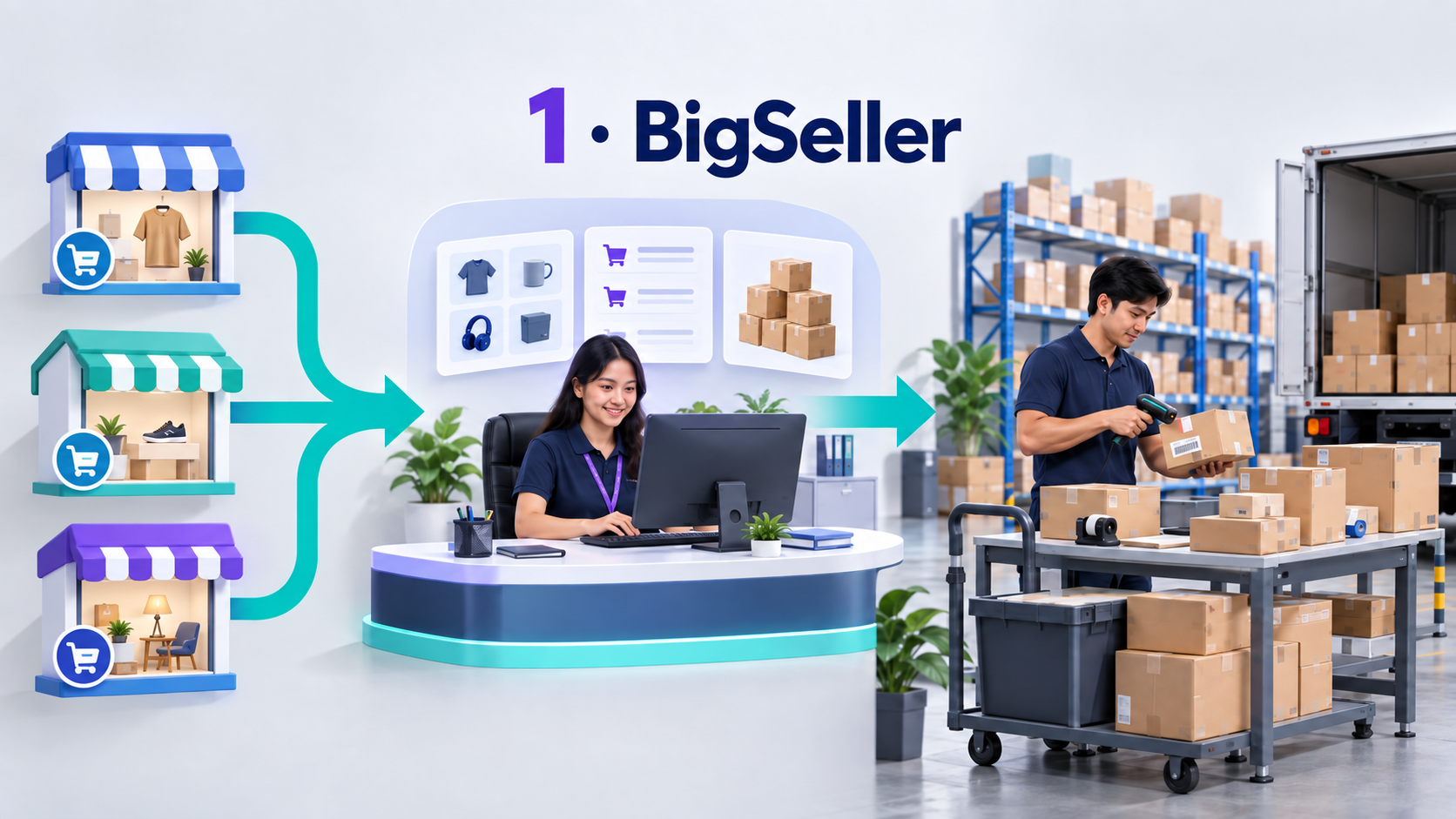
BigSeller is designed around ecommerce operations in Southeast Asia. After supported stores are authorized, sellers can manage products, orders, inventory, warehouse work, fulfillment, and operational reports without rebuilding the workflow in every Seller Center. This marketplace orientation makes it especially suitable for Philippine sellers running several online stores.
The workflow begins before an order arrives. Sellers can collect product information, move listings between supported stores, edit data, and publish products in batches. Orders can then move through review, batch processing, shipping labels, picking, packing, and shipment. The BigSeller ERP feature overview summarizes these functions, while the Order Processing Guide explains fulfillment.
Inventory is part of the same chain. Store SKUs can be mapped to Merchant SKUs, stock can be managed by warehouse, and rules can support allocation and synchronization across connected stores. This helps reduce overselling risk, although platform interfaces, mapping, timing, and physical stock accuracy still matter. Related guides explain inventory synchronization across Shopee, Lazada, and TikTok Shop and multichannel overselling prevention.
BigSeller also supports WMS workflows such as wave-based processing, picking, sorting, scanning, packing, and shipment. The WMS Wave Shipment Guide explains how these tasks connect. Smaller sellers do not need every warehouse function; the setup should match order volume and team responsibilities.
The same core workflow can handle common local scenarios. COD orders continue through fulfillment and return-related follow-up. Supported marketplace orders using J&T Express can follow their platform workflow, while an additional third-party J&T connection can serve manual and webstore orders. TikTok Shop LIVE purchases enter normal processing after becoming platform orders.
Together, these functions give marketplace teams one connected path from product preparation and stock control to order fulfillment and operational review.
2. Odoo: Best for Modular and Customizable Operations
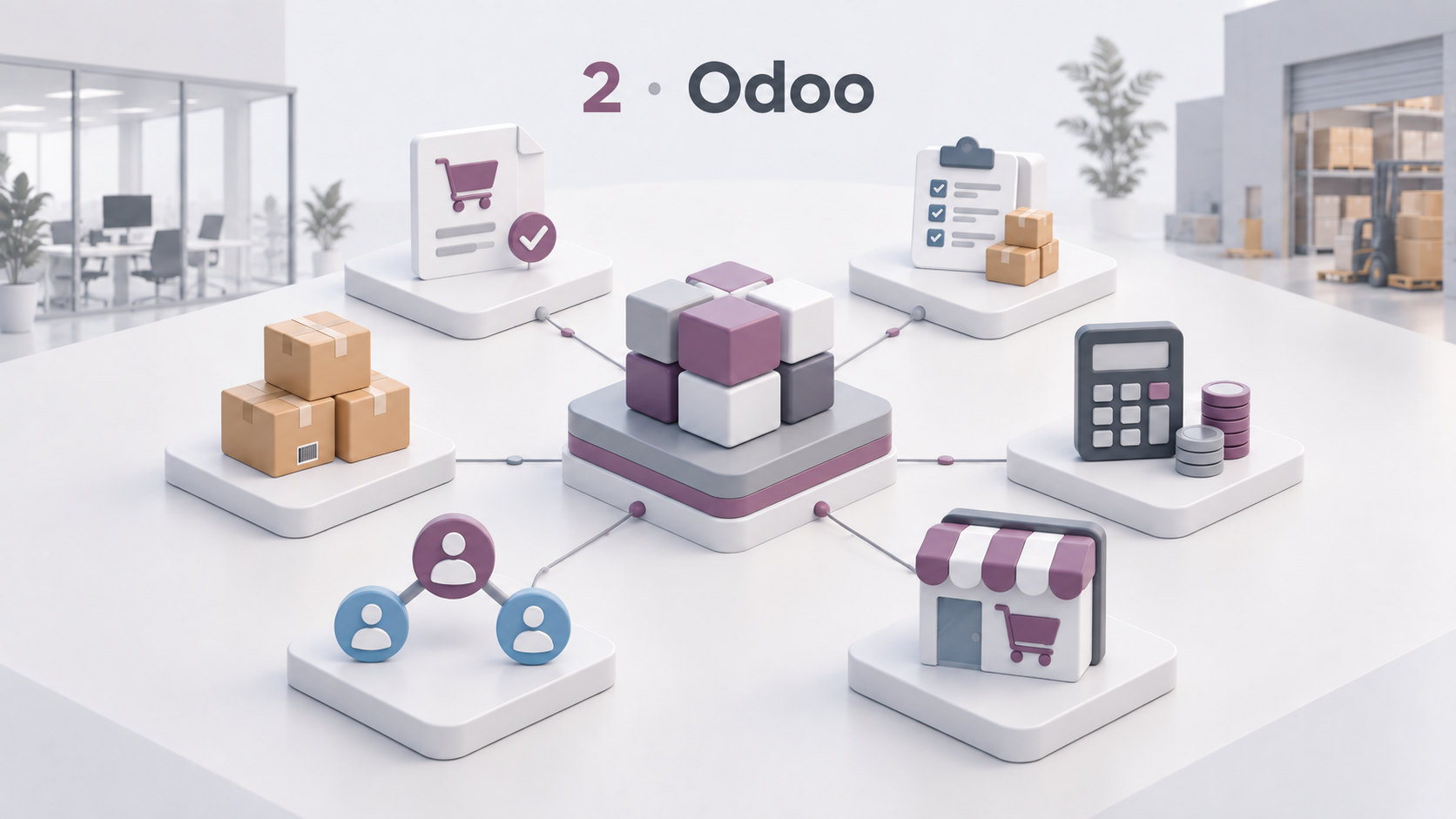
Odoo is a modular ERP suite combining sales, purchasing, inventory, accounting, CRM, ecommerce, and other applications. Its official inventory features include multi-warehouse operations, replenishment, barcode workflows, and different picking methods. Its ecommerce application supports branded online stores within the wider Odoo environment.
Both Odoo and BigSeller connect inventory, warehouse, orders, product operations, and reports. Odoo places greater emphasis on assembling and customizing a wider set of general business applications around an organization's internal processes.
Philippine sellers should verify how each required marketplace connects through Odoo apps, partners, or custom work and who maintains it. Odoo is a strong candidate when modular customization is the priority; BigSeller offers a more direct path when marketplace execution is the starting point.
3. Microsoft Dynamics 365 Business Central: Best for Microsoft-Centric SMBs
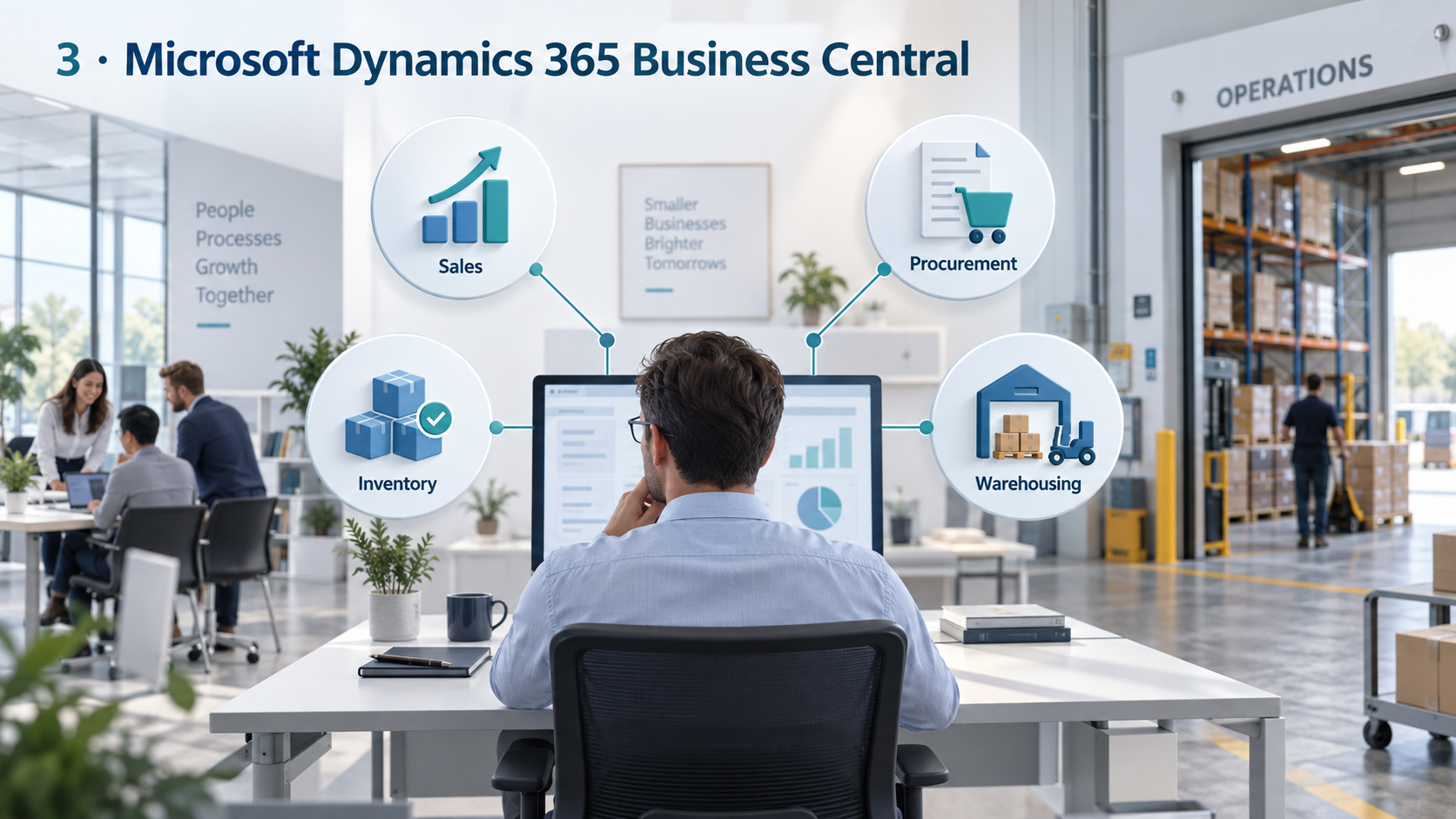
Microsoft Dynamics 365 Business Central connects finance, sales, purchasing, inventory, warehouse, projects, and other operations. Its official product page and documentation cover inventory, warehouse processes, reporting, and ecommerce connection options.
Both Business Central and BigSeller cover inventory, warehouse management, and reporting. Business Central begins with company-wide ERP and accounting processes, while BigSeller connects these capabilities to marketplace operations and provides ecommerce-focused profit and financial reporting.
Business Central best fits a company already using Microsoft products that wants finance and internal operations at the center. For Philippine marketplaces, confirm each channel connection, required extensions or partners, and ongoing maintenance.
4. Oracle NetSuite: Best for Large Entity Businesses
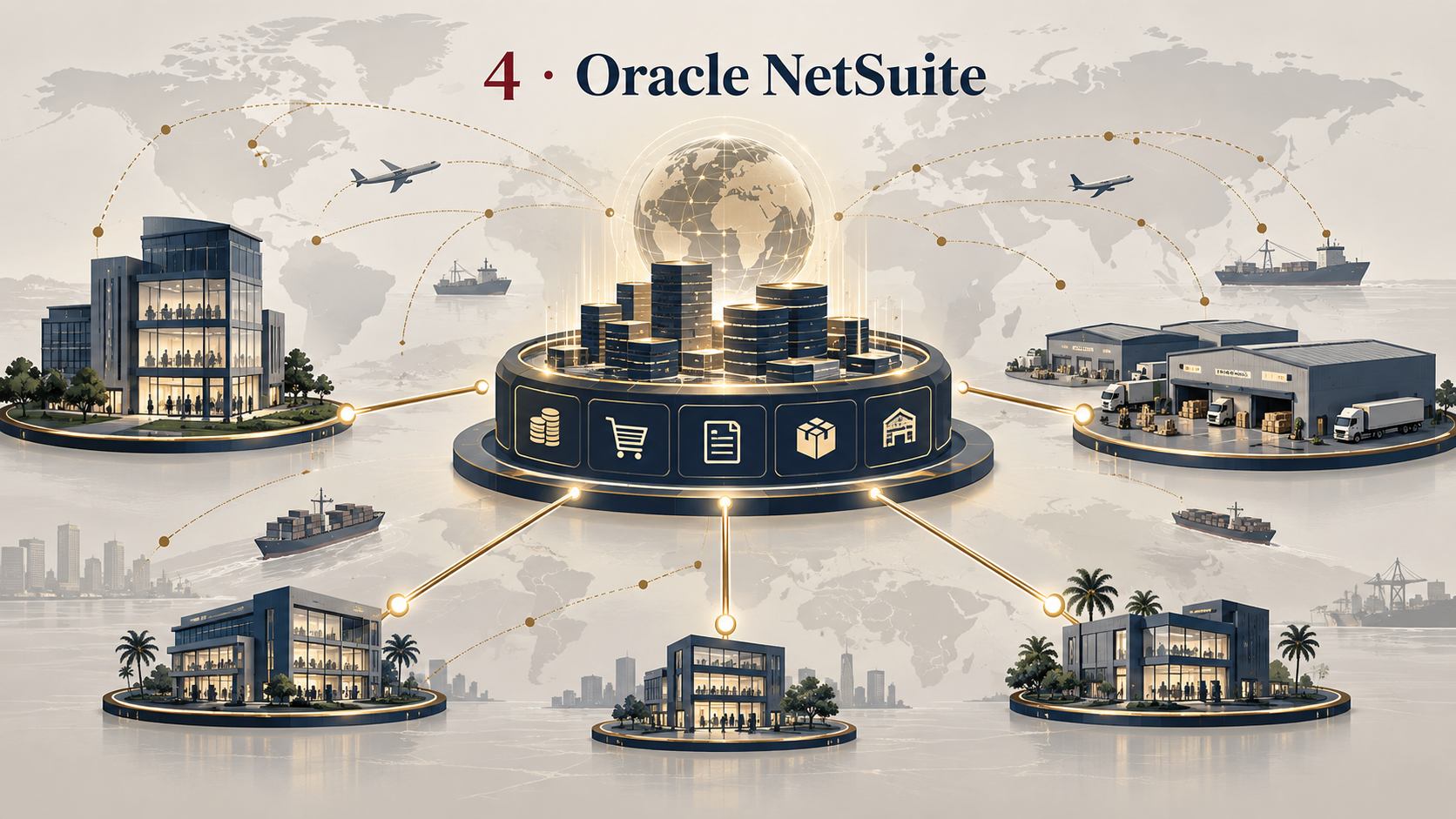
Oracle NetSuite covers enterprise financial management, orders, purchasing, inventory, fulfillment, CRM, and multi-entity operations. Its SuiteCommerce datasheet connects ecommerce with business data, while the order management datasheet covers inventory visibility and fulfillment.
Both NetSuite and BigSeller support multiple stores or channels, warehouses, orders, inventory, fulfillment, and reporting. NetSuite places these functions inside a wider enterprise architecture for multiple legal entities, countries, currencies, financial controls, and global operating processes.
Sellers should confirm whether each marketplace uses SuiteCommerce, a connector, or an implementation partner. NetSuite fits when enterprise governance and international scale justify a larger implementation; BigSeller is more direct when marketplace operations create most daily complexity.
5. Anchanto: Best for Enterprise Omnichannel Brands and Enablers
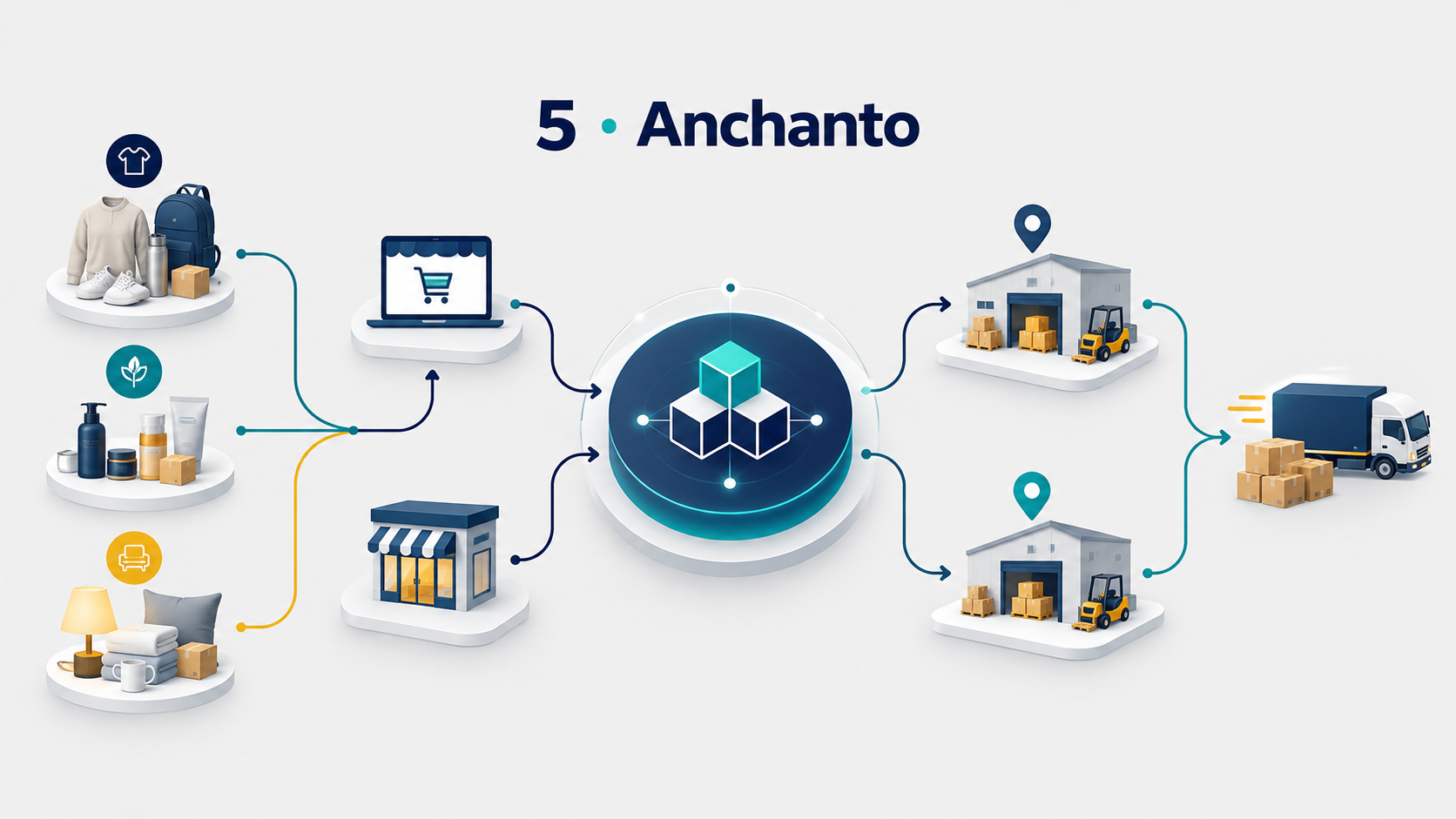
Anchanto's Philippine order management page covers multichannel orders, inventory, catalog operations, routing, and fulfillment. Official guides document connections for Shopee, TikTok Shop, and Lazada.
BigSeller and Anchanto both cover omnichannel orders, inventory, catalog management, and fulfillment. Anchanto is positioned toward enterprise deployments for organizations such as multi-brand operators and ecommerce enablers, while BigSeller is built around the daily marketplace workflows of Southeast Asian sellers.
Anchanto suits businesses serving multiple brands or coordinating an enterprise omnichannel network. Marketplace-first SMEs should compare deployment requirements, channel fit, team capacity, and commercial terms.
4. Which ERP System Fits Your Ecommerce Business?
Start with the channels that generate most of the business's daily work. If orders mainly come from Shopee, Lazada, TikTok Shop, and other marketplaces, the first question is how directly the ERP connects those stores and whether the team can manage products, orders, and stock without rebuilding the same process in separate systems. A business led by a branded webstore, wholesale operation, or offline sales network may place different weight on marketplace connectivity.
Next, identify where operational complexity actually sits. Is the team struggling with multistore listings, shared inventory, overselling, order processing, warehouse coordination, COD, and fulfillment? Or is the larger challenge manufacturing, group accounting, multiple legal entities, international consolidation, or highly customized internal approvals? Several ERP systems cover inventory, orders, warehouses, and reports, but they organize those capabilities around different operating priorities.
Implementation capacity should also influence the choice. Consider whether the team needs a system that can follow familiar ecommerce workflows quickly, or whether the business has the budget, technical resources, and implementation partners required for deeper configuration. The ongoing owner of integrations, user permissions, workflow changes, and system maintenance should be clear before the project begins.
Finally, test the full process with a supported store and representative orders. Check product and SKU mapping, inventory changes, normal and exceptional order states, labels, picking, packing, returns, reports, and staff responsibilities. A useful ERP should make the complete workflow easier to operate, not simply offer the longest feature list.
For most Philippine ecommerce sellers, the main operational pressure comes from managing marketplace products, orders, shared inventory, warehouse work, and fulfillment rather than building a complex global corporate system. When those are the deciding factors, the evaluation will usually point back to BigSeller as the most practical overall fit.