How Sellers Can Process More Orders in Less Time This Ramadan
Erra26 Feb 2026 06:33ENCopy link & title
Chinese New Year campaigns wrapped up, and almost immediately Ramadan began. Now, just in the first week of fasting, preparations for Raya sales are already underway. There hasn’t been much time to reset operations, only time to keep things moving.
-
Clear CNY inventory.
-
Push Raya-ready products.
-
Prepare for another sales spike.
-
Make sure fulfilment doesn’t fall behind.
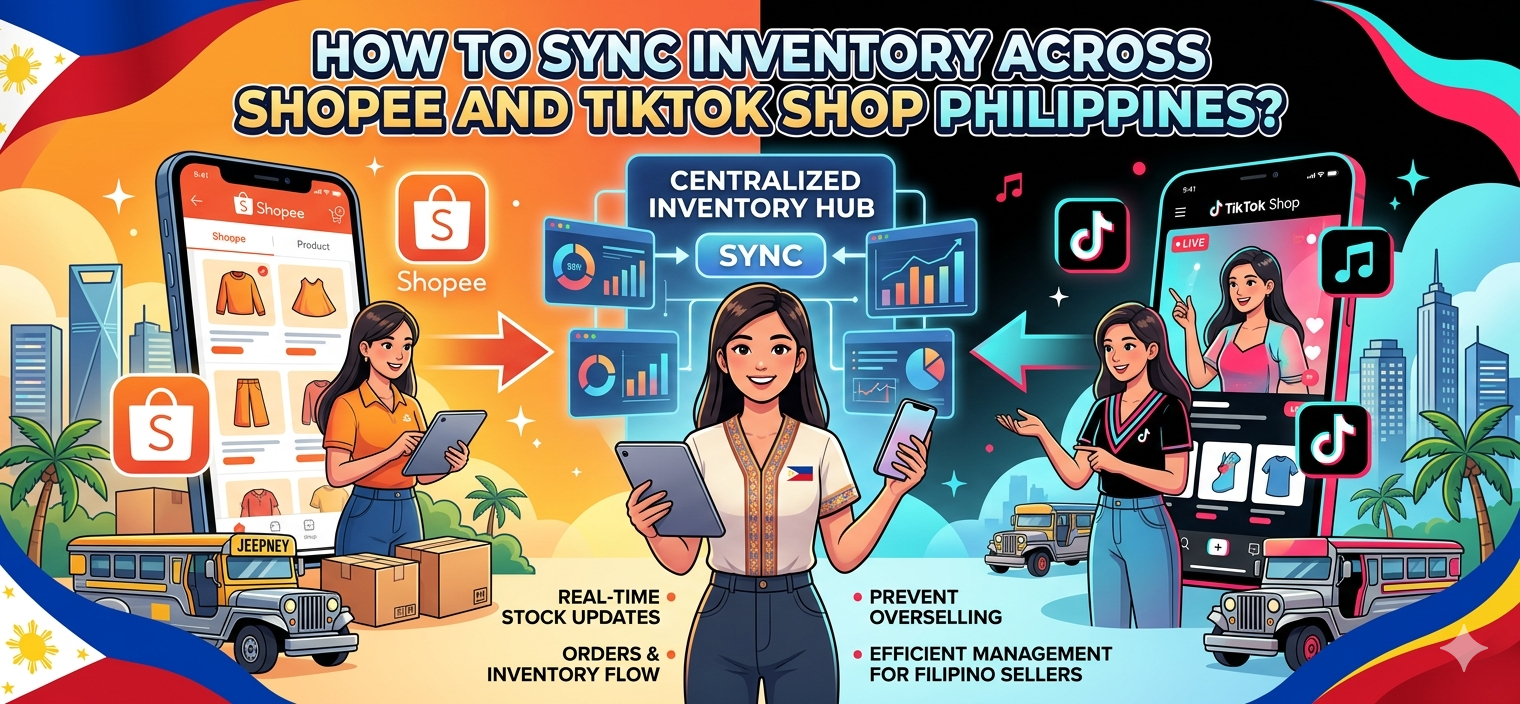
And if you’re selling across platforms such as Shopee, Lazada, and TikTok Shop, all of this is happening in multiple dashboards at once.

Sales Are Strong, It’s the Aftermath That Wears You Out
During festive periods, getting orders is rarely the issue. When Raya is approaching, customers are already browsing, comparing, and buying early. Campaigns perform well, traffic increases, and notifications don’t stop.
On the surface, that’s exactly what every seller wants.
But once an order comes in, the real work begins:
checking whether the stock is still accurate, confirming details, arranging shipment, updating the same information across platforms, and making sure nothing overlaps.
These are not complicated tasks. They are part of daily operations. The problem is how often they must be repeated, especially when you are selling in more than one place.
During Ramadan, when working hours feel shorter and energy levels are different, this repetition becomes more noticeable. The workload hasn’t changed; it’s just compressed into a tighter schedule.
So when sellers feel exhausted during peak season, it’s usually not because business is bad. It’s because the same operational steps keep happening in multiple systems.

Multi-Platform Selling Helps You Grow, But It Also Divides Your Attention
For Malaysian businesses, expanding beyond a single marketplace is a practical move. Different platforms attract different customer groups, and relying on only one channel can limit reach.
That’s why many sellers operate simultaneously on platforms like Shopee, Lazada, and TikTok Shop.
However, each of these platforms functions independently:
-
They have their own dashboards.
-
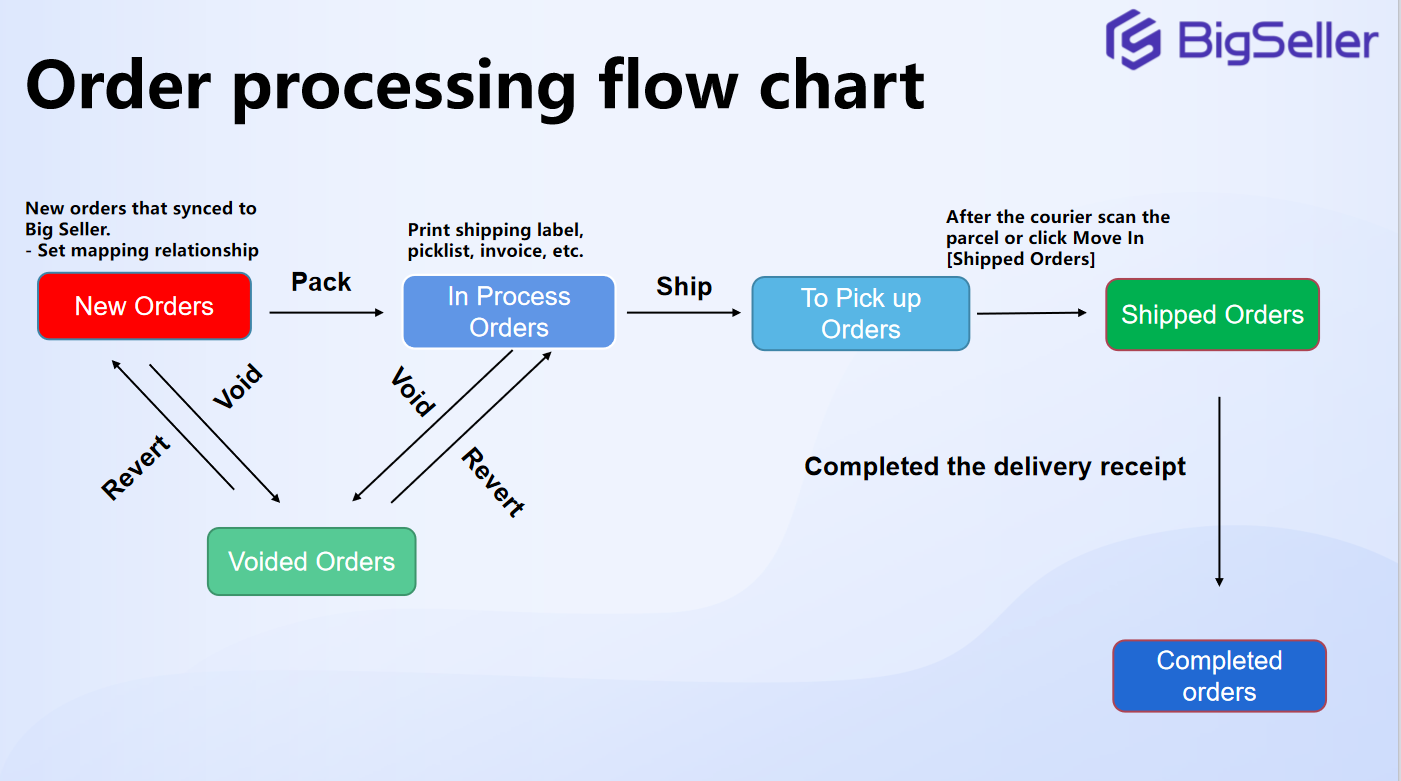
Orders follow different processing flows.
-
Inventory is tracked separately.
Instead of running one streamlined operation, sellers end up maintaining several parallel ones.
During slower months, this can still be managed manually. But when Raya demand increases, the gaps between systems start to show, overselling happens because stock wasn’t updated in time, orders are missed because they sit in another dashboard, and fulfilment slows down because everything must be checked twice.
These issues are rarely caused by carelessness. They happen because the systems themselves are not connected.
A Growing Number of Sellers Are Fixing the Workflow, Not Adding More Work
Rather than hiring temporary staff every festive season, some businesses are adjusting how they manage their backend so their existing teams can cope with higher order volumes more comfortably.
Using BigSeller, product listings, orders, inventory, and fulfilment activities can be handled within a single environment instead of across multiple separate ones.
This doesn’t change where you sell. Your stores remain in the same marketplaces.
What changes is how you manage them:
-
Orders from different platforms are viewed together.
-
Stock levels update automatically when sales occur.
-
Shipping preparation can be done in batches rather than one order at a time.
The tasks themselves are still necessary. They’re just no longer repeated in different places, which is often where the most time is lost.
Built Around How Southeast Asian Sellers Actually Work
Introduced in 2019, BigSeller was designed specifically for Southeast Asian e-commerce businesses that operate across multiple channels at once.
Instead of focusing on a single function, it brings together the core parts of daily operations:
-
Product sourcing and listing
-
Order processing
-
Inventory and purchasing management
-
Financial and performance reporting
-
Automation tools to reduce manual steps
-
Overselling prevention through synced stock control
Because many sellers here already manage several storefronts simultaneously, the system is structured to support that reality rather than forcing a completely new workflow.
It also connects with major regional marketplaces and has been recognised as a Shopee Preferred Partner and an officially recommended ERP by TikTok Shop, reflecting how widely multi-channel selling is practised across the region.
Why Try It Now Instead of Waiting Until After Raya?
The weeks leading up to Raya are when operational pressure is most visible.
If a workflow has gaps, this is when they show.
Testing a new system during a quiet period doesn’t reveal much.
Using it during Ramadan, when orders are active and timelines are tight, gives a clearer picture of whether it actually saves time.
BigSeller currently offers free access along with a 7-day VIP trial, allowing sellers to try it using their existing stores and real order flow.
There’s no need to change where you sell. No need to pause your business.
Just manage your operations from one place and see whether the lead-up to Raya feels more manageable compared to previous years.