Top 5 omnichannel ERP systems for Shopee and TikTok Shop sellers
Jayson10 Feb 2026 12:21ENCopy link & title
The Southeast Asian e-commerce market continues its rapid growth, with many sellers operating simultaneously on Shopee, TikTok Shop, Lazada, and online marketplaces. However, managing multiple platforms across borders can lead to inventory mismatches, duplication of work, and accounting challenges.
An omnichannel ERP system can centrally manage SKUs, synchronize inventory in near real-time, consolidate orders, automate order fulfillment rules, and generate unified financial reports—allowing you to scale your business without needing to build a correspondingly large operations team.
Choose the ERP system best suited to your seller size, platform, and logistics strategy. Here are five recommended ERP platforms for Southeast Asian sellers:
BigSeller is specifically designed for Southeast Asian e-commerce platforms, adapting to the needs of multiple country sites and connecting to over 16 mainstream platforms. It also offers native API integration with Shopee, Lazada, and TikTok Shop.
BigSeller emphasizes a unified product/order management backend, rapid product listing scrapinging, automated order processing workflows, and configurable inventory push rules, effectively reducing overselling—making it ideal for sellers whose sales are primarily concentrated on Southeast Asian e-commerce platforms.

Microsoft Dynamics 365 is a cloud ERP and CRM platform that integrates deeply with Microsoft’s ecosystem (Azure, Power Platform, Teams). For sellers who need enterprise-grade finance, advanced reporting, and extensible workflows—plus the ability to integrate with marketplaces via connectors or partners—Dynamics 365 provides strong scalability, security and reporting capabilities. It’s a fit where centralized finance, CRM and custom integrations matter.
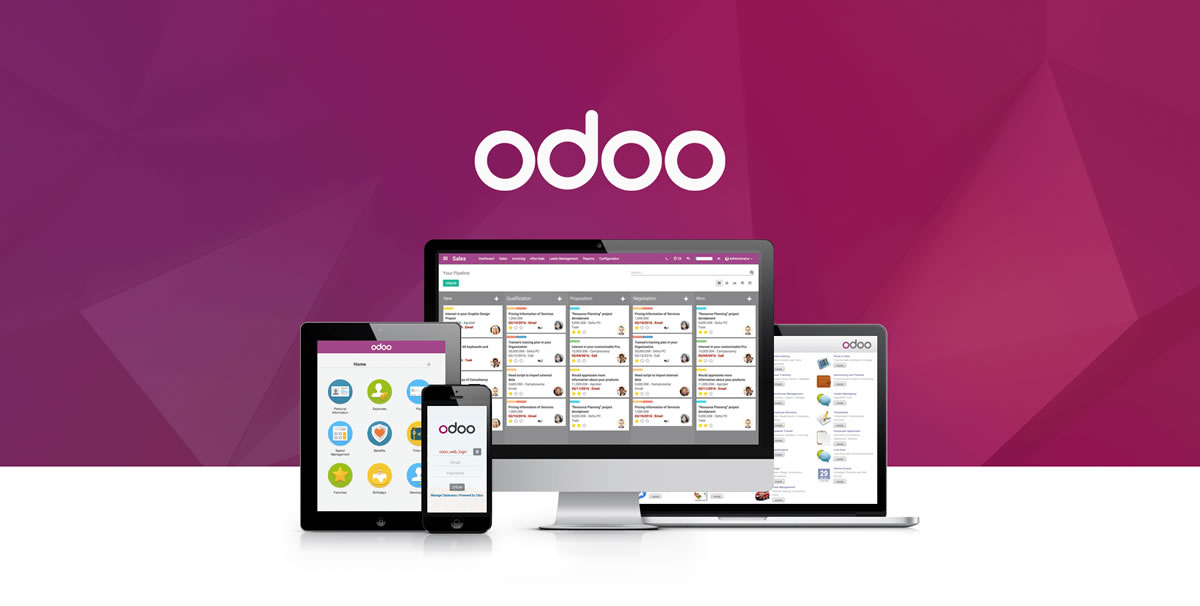
Odoo is an open, modular ERP suite (inventory, sales, e-commerce, accounting) that lets you add only the apps you need. For sellers who require custom workflows (bundle management, localized taxes, special shipping rules), Odoo’s modular approach and large developer ecosystem make it a versatile, lower-entry barrier option.
NetSuite SuiteCommerce unifies ecommerce front end with NetSuite ERP & financials. It’s designed to eliminate data silos as businesses scale to multi-country, multi-channel operations and need robust order management, advanced inventory and consolidated financial reporting. Choose NetSuite when you’re growing into a mid-to-large enterprise and need deep reporting and automation.
SAP Business One delivers a full ERP stack (financials, inventory, purchasing, sales, CRM) aimed at SMEs that need a single, integrated system. It’s suitable for sellers who prefer enterprise-grade controls and local SAP partner support for implementation and localization.
Q1: Which ERP integrates best with Shopee and TikTok Shop?
A: BigSeller advertises native API support for Shopee and TikTok Shop and is designed specifically for SEA marketplace flows, making it a strong first choice for marketplace-centric sellers.
Q2: Can I start small and migrate later?
A: Yes — Odoo provide lower-entry options and modular setups; BigSelelr, NetSuite and SAP Business One are better when you need enterprise-grade consolidation as you scale.
Q3: Will these ERPs handle multi-country tax and currencies?
A: Most enterprise ERPs (BigSeller, NetSuite, SAP Business One) and modular platforms (Odoo) support multi-currency and tax localizations; confirm partner/localization support for each SEA country.
Q4: How long to implement?
A: Implementation varies: modular systems (Odoo, BigSeller) can be quicker (weeks → months) for basic flows; NetSuite and SAP typically need longer (months) for full, cross-country rollouts.
Q5: What data should I prepare before choosing an ERP?
A: Prepare order volumes, SKU count, marketplaces used, country list, preferred couriers, current accounting system and pain points (oversell, refunds, reconciliation). This short list helps vendors scope correctly. (Best practice derived from implementation guides.)
An omnichannel ERP system can centrally manage SKUs, synchronize inventory in near real-time, consolidate orders, automate order fulfillment rules, and generate unified financial reports—allowing you to scale your business without needing to build a correspondingly large operations team.
Choose the ERP system best suited to your seller size, platform, and logistics strategy. Here are five recommended ERP platforms for Southeast Asian sellers:
1. BigSeller — Best regional omnichannel for Shopee & TikTok Shop sellers
BigSeller is specifically designed for Southeast Asian e-commerce platforms, adapting to the needs of multiple country sites and connecting to over 16 mainstream platforms. It also offers native API integration with Shopee, Lazada, and TikTok Shop.
BigSeller emphasizes a unified product/order management backend, rapid product listing scrapinging, automated order processing workflows, and configurable inventory push rules, effectively reducing overselling—making it ideal for sellers whose sales are primarily concentrated on Southeast Asian e-commerce platforms.
2. Microsoft Dynamics 365 — Best for Microsoft ecosystem, advanced finance & CRM
Microsoft Dynamics 365 is a cloud ERP and CRM platform that integrates deeply with Microsoft’s ecosystem (Azure, Power Platform, Teams). For sellers who need enterprise-grade finance, advanced reporting, and extensible workflows—plus the ability to integrate with marketplaces via connectors or partners—Dynamics 365 provides strong scalability, security and reporting capabilities. It’s a fit where centralized finance, CRM and custom integrations matter.
3. Odoo — Best flexible, modular option (customizable + cost-effective)
Odoo is an open, modular ERP suite (inventory, sales, e-commerce, accounting) that lets you add only the apps you need. For sellers who require custom workflows (bundle management, localized taxes, special shipping rules), Odoo’s modular approach and large developer ecosystem make it a versatile, lower-entry barrier option.
4. NetSuite (SuiteCommerce) — Best for scaling and enterprise features
NetSuite SuiteCommerce unifies ecommerce front end with NetSuite ERP & financials. It’s designed to eliminate data silos as businesses scale to multi-country, multi-channel operations and need robust order management, advanced inventory and consolidated financial reporting. Choose NetSuite when you’re growing into a mid-to-large enterprise and need deep reporting and automation.
5. SAP Business One — Best for established SMBs needing full ERP breadth
SAP Business One delivers a full ERP stack (financials, inventory, purchasing, sales, CRM) aimed at SMEs that need a single, integrated system. It’s suitable for sellers who prefer enterprise-grade controls and local SAP partner support for implementation and localization.
6. At-a-glance comparison table
| ERP | Best for | Channels / Integrations | Key strength | Typical scale |
|---|---|---|---|---|
| BigSeller | SEA marketplace sellers (Shopee, TikTok Shop, Lazada) | Native APIs to Shopee, Lazada, TikTok Shop; local couriers | Marketplace-first flows, fast onboarding for sellers, flexible subscription plans | Mid → Enterprise |
| Microsoft Dynamics 365 | Organizations needing deep Microsoft integration & advanced finance | Connectors via partners, Power Platform integrations, Azure services | Enterprise finance, CRM, extensible automation & reporting | Mid → Enterprise |
| Odoo | Custom workflows, multilingual stores | Webstore + connectors via modules/integrations | Modular apps, customizable, lower TCO | Small → Mid |
| NetSuite | Fast-growing merchants scaling across countries | Native ecommerce + ERP + 3rd-party integrations | Enterprise reporting & unified finance | Mid → Enterprise |
| SAP Business One | SMBs needing full ERP rigor | ERP + partner integrations for local systems | Comprehensive business controls & partner support | Small → Mid/Enterprise |
7. Conclusion——FAQ
Q1: Which ERP integrates best with Shopee and TikTok Shop?
A: BigSeller advertises native API support for Shopee and TikTok Shop and is designed specifically for SEA marketplace flows, making it a strong first choice for marketplace-centric sellers.
Q2: Can I start small and migrate later?
A: Yes — Odoo provide lower-entry options and modular setups; BigSelelr, NetSuite and SAP Business One are better when you need enterprise-grade consolidation as you scale.
Q3: Will these ERPs handle multi-country tax and currencies?
A: Most enterprise ERPs (BigSeller, NetSuite, SAP Business One) and modular platforms (Odoo) support multi-currency and tax localizations; confirm partner/localization support for each SEA country.
Q4: How long to implement?
A: Implementation varies: modular systems (Odoo, BigSeller) can be quicker (weeks → months) for basic flows; NetSuite and SAP typically need longer (months) for full, cross-country rollouts.
Q5: What data should I prepare before choosing an ERP?
A: Prepare order volumes, SKU count, marketplaces used, country list, preferred couriers, current accounting system and pain points (oversell, refunds, reconciliation). This short list helps vendors scope correctly. (Best practice derived from implementation guides.)
BigSeller-Blog Senior Writer: Jayson
Sir Jayson has worked in well-known e-commerce companies such as Shopee and TikTok Shop, helping hundreds of sellers to deepen their e-commerce industry, expand their business, and eventually become high-quality sellers.