What is the best omnichannel e-commerce ERP system for Shopee, and TikTok sellers?
Jayson05 Feb 2026 08:58ENCopy link & title
Selling on Shopee, Lazada and TikTok Shop at the same time can unlock bigger reach — but it also multiplies headaches: inventory mismatches, missed orders, confusing fees and fragmented reports. The right omnichannel ERP (enterprise resource planning) system brings those channels into one control center so you can scale without chaos.
Below is a practical, data-backed guide on what that ERP software does, and a simple decision path so you can pick the right tool for your shop.

The Southeast Asian e-commerce market is booming (the latest estimates put its size at hundreds of billions of dollars and projected to continue its rapid growth until 2027). With increasing order volumes, manually managing multiple platforms is becoming a bottleneck, making automation no longer an optional extra but a necessity to remain competitive.
At the platform level, Shopee remains the dominant e-commerce platform in Southeast Asia with a huge market share; however, the rapid expansion of TikTok Shop has changed the landscape of merchant and product discovery—meaning sellers who neglect multichannel coordination may miss out on market demand and face the risk of declining operational efficiency.
An omnichannel ERP integrates your sales channels, inventory, orders, customers, and basic financial information into a single system. For e-commerce platform sellers, it typically allows for:
All these functions reduce human error, improve the precision of store operations, and free up more time for marketing and product development—crucial for sellers in Southeast Asia.

BigSeller is the ultimate omnichannel e-commerce ERP system designed for Southeast Asian sellers, aiming to help you improve efficiency and expand your business channels. It simplifies all processes into a single control dashboard, covering product listing, order processing, inventory management, financial tracking, and various automated operations.
Furthermore, BigSeller offers customized subscription plans for different types of sellers, catering to sellers at all stages of their business. The following is a general introduction to BigSeller's three core modules:
BigSeller's Product & Marketing module enables centralized control and visualization of product, marketing, and advertising data across multiple platforms through unified authorization and management. This helps sellers reduce operating costs, standardize operational rhythms, and improve promotional efficiency. It primarily offers four main functions:
1. Cross-Platform Information Collaboration: Supports one-click data collection and migration, online image editing, and multilingual translation, enabling rapid product listing and localization adaptation.
2. Refined Listing Management: Provides features such as automatic placement and scheduled posting, supports intelligent scheduling based on promotional rhythms, and achieves price linkage across multiple stores through main product management to ensure consistent pricing.
3. Efficient Marketing Campaign Management: Supports batch creation and management of various promotional activities across stores, unifying strategy orchestration and rapid execution, and combining marketing watermarks to improve clicks and conversions.
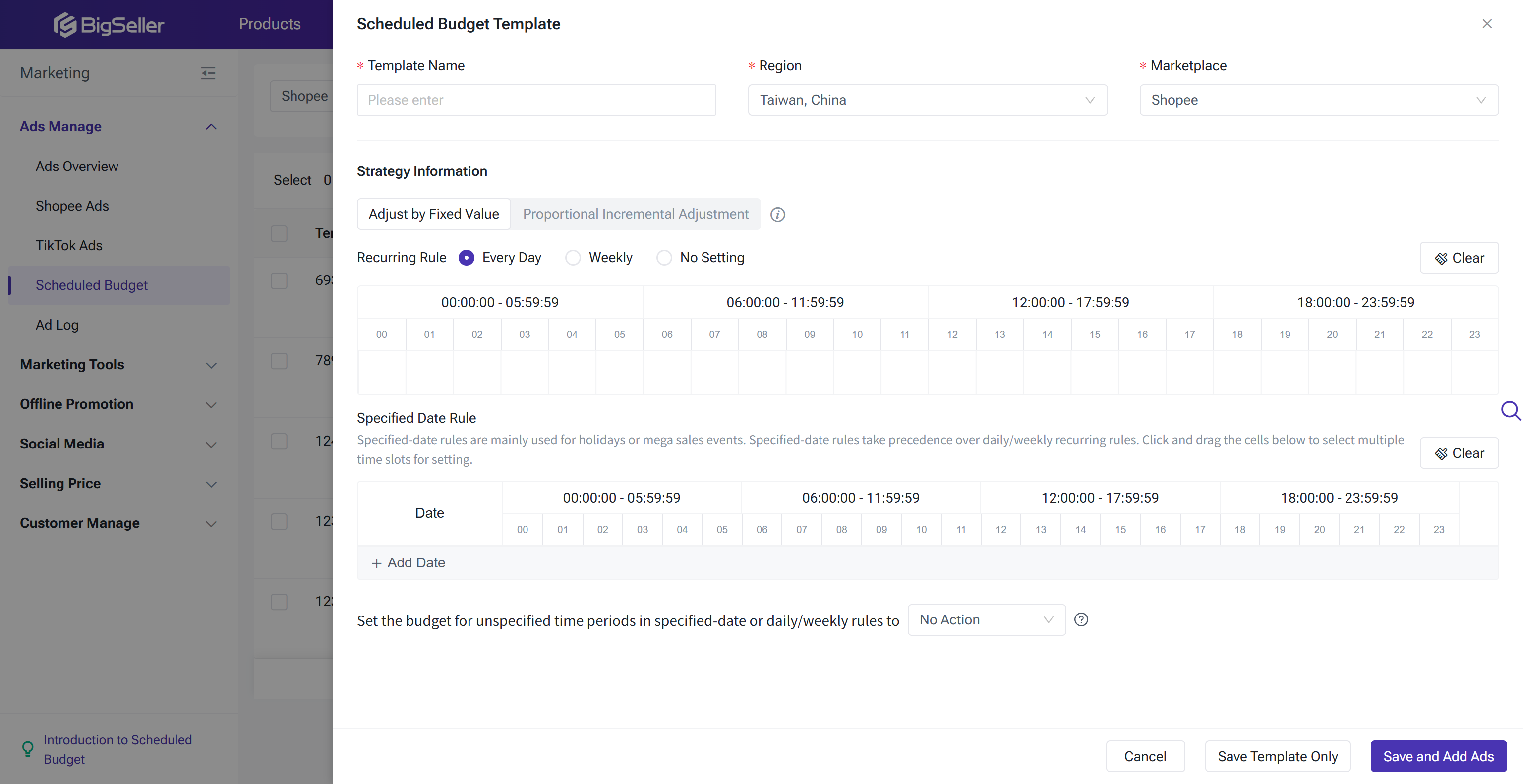
4. Advertising Data Monitoring and Control: Integrates advertising data from mainstream platforms, supports real-time monitoring, creation, and management of ad placements, and allows for precise cost control through time-based budgeting, enabling rapid response to market changes.
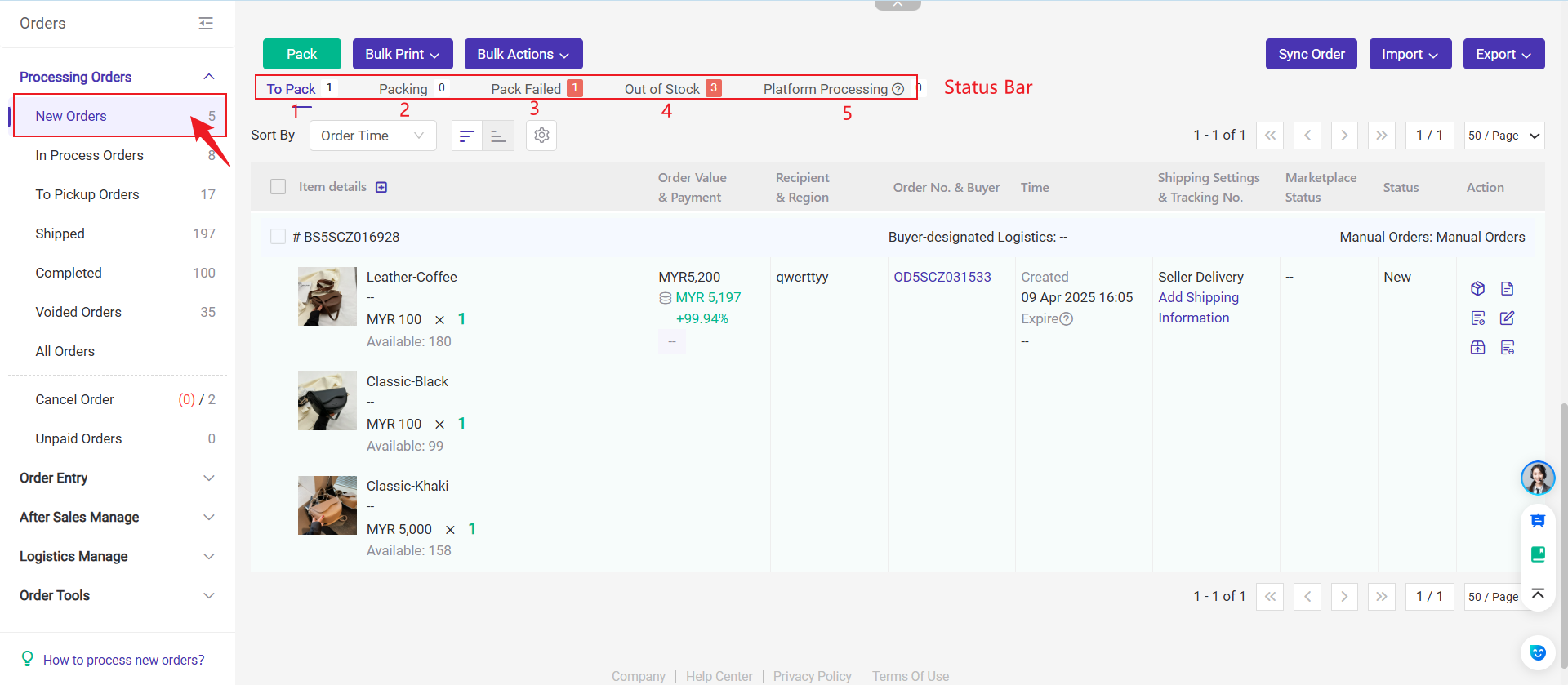
The order fulfillment module is the "delivery hub" of the e-commerce ERP system, unifying the processing of orders from over 16 platforms including Shopee, TikTok, and Lazada, as well as various offline orders, enabling centralized processing and end-to-end monitoring. It possesses four core capabilities:
1. Unified multi-platform order processing: Automatic dispatching, anomaly interception, and efficient fulfillment are achieved through intelligent rule configuration.
2. Multi-warehouse collaboration and inventory-driven operation: Automatic order allocation, inventory locking, and flexible scheduling are supported among various warehouses, including platform warehouses, self-owned warehouses, and overseas warehouses.
3. Order tools and operational risk control: A complete set of order templates is provided, integrating profit forecasting and interception, logistics monitoring, and node early warning systems for proactive risk management.
4. After-sales service and return warehousing: Unified processing of returns from various platforms supports rapid warehousing, automatic generation of refund/exchange orders, and cost accounting and progress tracking, forming a closed-loop after-sales service system.
The Warehouse and Order Management module encompasses two main components: Inventory and WMS (Warehouse Management System), aiming to achieve standardized warehouse management and efficient order fulfillment.
1. Inventory module: The Inventory module unifies the management of inventory across multiple platforms, enabling real-time synchronization and sharing to effectively prevent overselling. It supports activity inventory reservation, intelligent procurement suggestions, multi-warehouse transfers, and third-party warehouse inventory synchronization. It provides refined tools such as batch expiration management, multi-unit conversion, and separate storage and picking, achieving full traceability of inventory data.
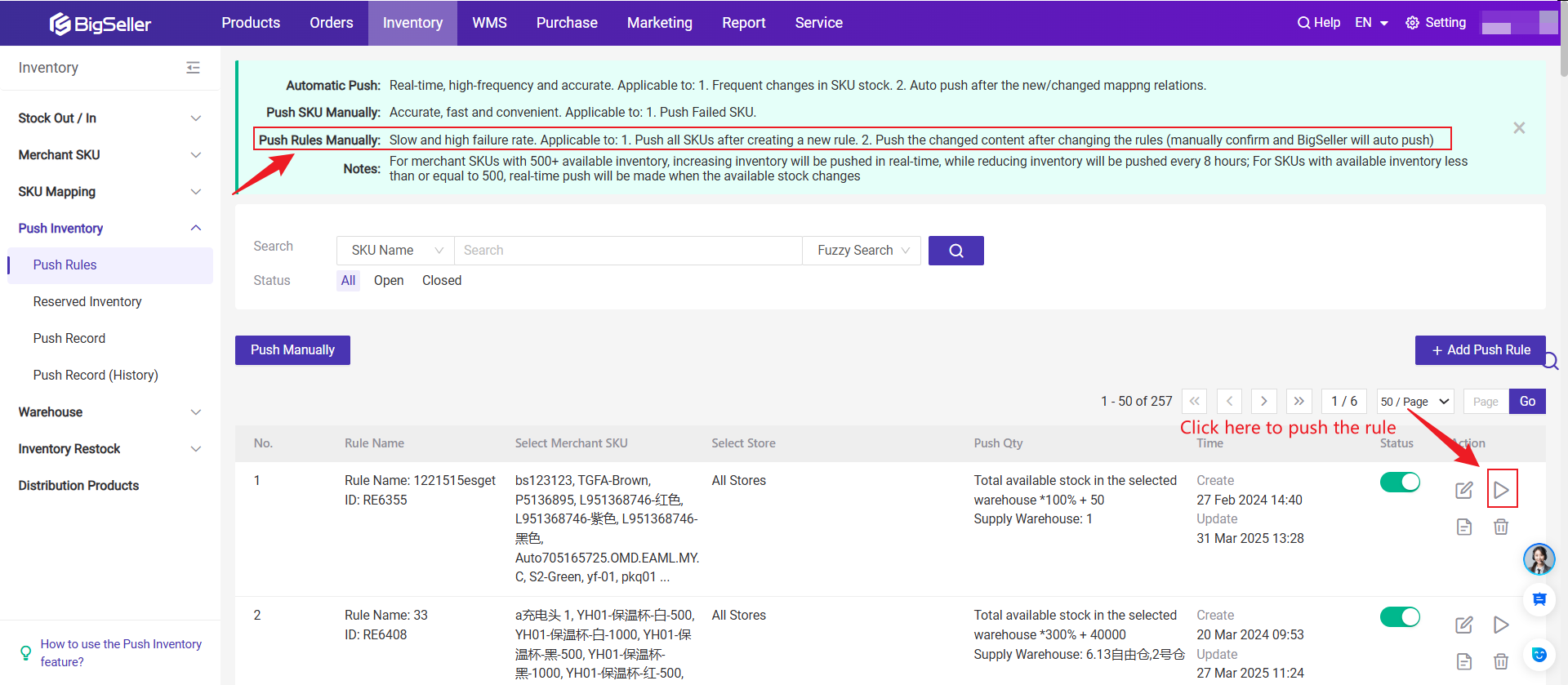
2. WMS module: The WMS module focuses on the order execution process, merging orders in waves and intelligently planning picking routes to significantly improve operational efficiency. It supports task allocation, multiple picking modes (such as picking and sorting simultaneously), PDA scanning, and efficiency statistics, helping the warehouse cope with peak sales periods, reduce mis-shipment rates, and improve overall delivery timeliness.
These two modules work together to reduce management costs and improve warehouse operational efficiency and accuracy.
Omnichannel ERP doesn't guarantee higher sales, but it can eliminate operational bottlenecks that limit growth. For most Shopee, Lazada, and TikTok sellers in Southeast Asia, the best strategy is to first choose a mature, reliable, e-commerce-focused tool (such as Zetpy, BigSeller, or a local order management system), verify its ability to address your main pain points, and then upgrade to a more advanced ERP suite when the process complexity and business volume justify the investment.
Always use vendor demos to confirm API support, local courier integration, and migration options—these practical demonstrations are more important than marketing hype.
Below is a practical, data-backed guide on what that ERP software does, and a simple decision path so you can pick the right tool for your shop.
1. Why online sellers need omnichannel ERP now?
The Southeast Asian e-commerce market is booming (the latest estimates put its size at hundreds of billions of dollars and projected to continue its rapid growth until 2027). With increasing order volumes, manually managing multiple platforms is becoming a bottleneck, making automation no longer an optional extra but a necessity to remain competitive.
At the platform level, Shopee remains the dominant e-commerce platform in Southeast Asia with a huge market share; however, the rapid expansion of TikTok Shop has changed the landscape of merchant and product discovery—meaning sellers who neglect multichannel coordination may miss out on market demand and face the risk of declining operational efficiency.
2. What an omnichannel e-commerce ERP actually does?
An omnichannel ERP integrates your sales channels, inventory, orders, customers, and basic financial information into a single system. For e-commerce platform sellers, it typically allows for:
- Real-time synchronization of inventory across platforms and stores, preventing overselling.
- Centralized processing of orders and after-sales orders, accelerating processing speed.
- Automation of daily tasks (e.g., copying product information, automatically scheduling orders, updating product status, etc.).
- Integration of sales data, facilitating reconciliation and smarter post-mortem analysis.
All these functions reduce human error, improve the precision of store operations, and free up more time for marketing and product development—crucial for sellers in Southeast Asia.
3. Why should BigSeller be the top ERP choice for Shopee & TikTok sellers?
BigSeller is the ultimate omnichannel e-commerce ERP system designed for Southeast Asian sellers, aiming to help you improve efficiency and expand your business channels. It simplifies all processes into a single control dashboard, covering product listing, order processing, inventory management, financial tracking, and various automated operations.
Furthermore, BigSeller offers customized subscription plans for different types of sellers, catering to sellers at all stages of their business. The following is a general introduction to BigSeller's three core modules:
📢BigSelelr Product & Marketing Module
BigSeller's Product & Marketing module enables centralized control and visualization of product, marketing, and advertising data across multiple platforms through unified authorization and management. This helps sellers reduce operating costs, standardize operational rhythms, and improve promotional efficiency. It primarily offers four main functions:
1. Cross-Platform Information Collaboration: Supports one-click data collection and migration, online image editing, and multilingual translation, enabling rapid product listing and localization adaptation.
2. Refined Listing Management: Provides features such as automatic placement and scheduled posting, supports intelligent scheduling based on promotional rhythms, and achieves price linkage across multiple stores through main product management to ensure consistent pricing.
3. Efficient Marketing Campaign Management: Supports batch creation and management of various promotional activities across stores, unifying strategy orchestration and rapid execution, and combining marketing watermarks to improve clicks and conversions.
4. Advertising Data Monitoring and Control: Integrates advertising data from mainstream platforms, supports real-time monitoring, creation, and management of ad placements, and allows for precise cost control through time-based budgeting, enabling rapid response to market changes.
🎯BigSeller Order Fulfillment Module
The order fulfillment module is the "delivery hub" of the e-commerce ERP system, unifying the processing of orders from over 16 platforms including Shopee, TikTok, and Lazada, as well as various offline orders, enabling centralized processing and end-to-end monitoring. It possesses four core capabilities:
1. Unified multi-platform order processing: Automatic dispatching, anomaly interception, and efficient fulfillment are achieved through intelligent rule configuration.
2. Multi-warehouse collaboration and inventory-driven operation: Automatic order allocation, inventory locking, and flexible scheduling are supported among various warehouses, including platform warehouses, self-owned warehouses, and overseas warehouses.
3. Order tools and operational risk control: A complete set of order templates is provided, integrating profit forecasting and interception, logistics monitoring, and node early warning systems for proactive risk management.
4. After-sales service and return warehousing: Unified processing of returns from various platforms supports rapid warehousing, automatic generation of refund/exchange orders, and cost accounting and progress tracking, forming a closed-loop after-sales service system.
📦BigSeller Inventory & WMS Module
The Warehouse and Order Management module encompasses two main components: Inventory and WMS (Warehouse Management System), aiming to achieve standardized warehouse management and efficient order fulfillment.
1. Inventory module: The Inventory module unifies the management of inventory across multiple platforms, enabling real-time synchronization and sharing to effectively prevent overselling. It supports activity inventory reservation, intelligent procurement suggestions, multi-warehouse transfers, and third-party warehouse inventory synchronization. It provides refined tools such as batch expiration management, multi-unit conversion, and separate storage and picking, achieving full traceability of inventory data.
2. WMS module: The WMS module focuses on the order execution process, merging orders in waves and intelligently planning picking routes to significantly improve operational efficiency. It supports task allocation, multiple picking modes (such as picking and sorting simultaneously), PDA scanning, and efficiency statistics, helping the warehouse cope with peak sales periods, reduce mis-shipment rates, and improve overall delivery timeliness.
These two modules work together to reduce management costs and improve warehouse operational efficiency and accuracy.
Conclusion:
Omnichannel ERP doesn't guarantee higher sales, but it can eliminate operational bottlenecks that limit growth. For most Shopee, Lazada, and TikTok sellers in Southeast Asia, the best strategy is to first choose a mature, reliable, e-commerce-focused tool (such as Zetpy, BigSeller, or a local order management system), verify its ability to address your main pain points, and then upgrade to a more advanced ERP suite when the process complexity and business volume justify the investment.
Always use vendor demos to confirm API support, local courier integration, and migration options—these practical demonstrations are more important than marketing hype.
BigSeller-Blog Senior Writer: Jayson
Sir Jayson has worked in well-known e-commerce companies such as Shopee and TikTok Shop, helping hundreds of sellers to deepen their e-commerce industry, expand their business, and eventually become high-quality sellers.